


ArmorBoss Shield for COVID-19: Physical Barriers That Protect Against Viruses

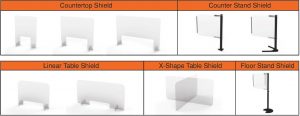
Organizations such as the CDC and OSHA recommend that businesses install acrylic dividers to reduce the transmission of COVID-19. To meet the demand for a protective shield for COVID-19, PS Industries has created the ArmorBoss product line. It includes the Floor Stand Shield, the Countertop Shield, and the Counter Stand shield.

 ArmorBoss Models and Features

ArmorBoss is made of thick and durable acrylic compared to other commercially available dividers made of flimsy materials. It’s clear, so you can easily see the person you’re talking to.

The Floor Stand Shield is designed for in-person interaction between two standing individuals. It can be raised to 78.5 inches, and its mobile design makes it easy to move from place to place. These features make the Floor Stand Shield ideal for security staff, assembly line workers, and others who stand while working. 

The Countertop model works well as a shield for COVID-19 in places like reception areas and checkout counters. It has a large window at the bottom, allowing employees or customers to pass through items without making physical contact.

The Counter Stand Shield is a taller version of the Countertop Shield. You can either fix it in place with screws or mount it onto a weighted base. The latter allows the shield to be placed in different locations while keeping it stable.

>> ArmorBoss Shield KC Supply

Assembly and Maintenance

Putting together an ArmorBoss shield is easy and only takes a few minutes. No special tools are required. They’re also a breeze to keep clean—all that’s needed is a non-ammonia cleaner and a microfiber cloth.

Final Thoughts

Businesses looking for a shield for COVID-19 protection need look no further. ArmorBoss shields act as physical barriers against coughs and sneezes that can transmit viruses. They help ensure safe, face-to-face conversations, whether standing or seated, in a wide variety of settings, from reception areas to office break rooms. While there are other dividers on the market, ArmorBoss shields stand out for their versatility, durability, and ease of use

Contact KC Supply Co for more information.

Read More

Pre-Harvest Inspection: Preparing Your Grain Bins for the Harvest Season

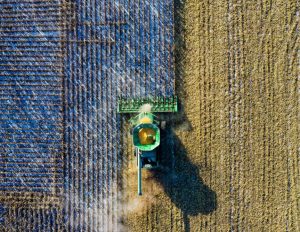
Before you start bringing in the harvest, it’s worth it to take the time to prepare your grain bins by conducting a pre-harvest inspection. Preventative maintenance on grain bins can prevent a host of problems, from pest infestation to structural damage.

Making sure your grain bins are in tip-top shape can prevent a lot of frustration and lost time during harvest season. Follow this pre-harvest inspection checklist to help make sure your grain bins are in ideal condition for grain storage.

Clean Your Grain Bins Thoroughly

Old grain can cause mold growth and attract pests. Before you start bringing in the crop, make sure your grain bins are free from any trace of grain from the previous harvest season. You can do this with brooms, a vacuum, or a high-powered air hose. Avoid pressure washing as it creates moisture that can cause corrosion.  

Clean the areas around grain bins. Mowing long grass and clearing shrubbery around grain bins discourages rodents from nesting nearby.  

Clear the Vents

Clogged vents reduce airflow, causing your grain to take longer to dry. In addition, they can cause excessive pressure inside the bins, which can result in damage to the roof. Make sure to include in your pre-harvest inspection checklist the need to check your grain bins’ vents and clear away any debris that could cause clogs.

Check the Gearboxes

Make sure your grain bins’ gearboxes are well-lubricated and have proper oil levels. In addition, address any leaks you may find in the oil seals.

Inspect the Exterior

Go over your grain bins and seal any holes that can serve as entry points for rodents, insects, and moisture. Also, assess the walls and roof of your grain bins for bulges, missing bolts, and changes in shape, as these may indicate structural damage. It’s best to get repairs done as soon as you spot problems because the damage may worsen with daily operations of your grain bins, such as during loading and fan operation.

These are just some of the pre-harvest inspection steps you can take to make sure your grain bins are in tip-top shape. Are your grain bins ready for the harvest season? If not, come on over to KC Supply and get what you need in time for the season.


Read More

Safety Signs: How Signages Can Help Promote Workplace Safety During the Pandemic

Many businesses recognize that their greatest asset is their workers. For this reason, creating a safe environment for employees is essential, even though safety signs. The COVID-19 pandemic has made staying safe in the workplace even more challenging.

 Employers should have a communications plan in place to keep all employees informed about changes and updates to work processes due to the pandemic. This may involve holding meeting and training sessions. To further strengthen their message, employers should consider putting up signage throughout the workplace.

 With signage, businesses can:

 Remind Employees to Wear PPE


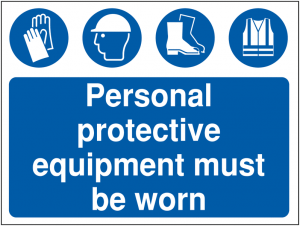
If you have a “no mask, no entry” policy, a sign at the door will help make sure your workers know about it before they try to enter. In addition, if the nature of your business requires your workers to wear other types of personal protective equipment (PPE), safety signs can remind employees of this policy while providing information on how to wear it properly.

 Reinforce Proper Hand-Washing Hygiene


Frequent hand-washing is an important preventative measure against the coronavirus. Signs in bathrooms and break rooms will remind employees to continue practicing good hand hygiene.

 Help Employees Navigate Business Premises


Businesses may need to make changes in how employees enter, exit, and navigate their spaces to avoid crowding. Directional signage, safety signs, and floor decals help make sure your employees know how to get around your store or office while maintaining social distancing.


  • Remind Employees Not to Enter if They’re Feeling Sick


Employers can utilize signs to remind employees to watch for COVID-19 symptoms and to not enter the premises if they suspect they’re infected. Employers can include a phone number employees can call for instructions in case they are unwell.  

 Signage is a tool that businesses can utilize to help communicate important health and safety information to employees during the pandemic. Have you put up COVID-19-related signage in your workplace? Contact KC Supply Co in case you need more safety materials in place.


Read More

KC Supply Co Explains How to Choose the Right Spouting.

When it comes to grains, choosing the right spouting is vital to ensuring that everything works smoothly. You have to consider the shape, such as round or square, and truss kits, elbows, liners, and distributors.

How to Choose the Best Option

Here are a few things to ask your supplier:

● What material will the spout handle come into contact with? How abrasive is this material, and what are its flow characteristics? What is the density and moisture content?

● Is there a required flow rate for the spout?

● What would the exterior exposure of the spouting be?

● Is a liner necessary?

● What is the capacity of the actual spout area?

● How long is the spout going to be?

● What is the service life or life span of the spouting?

● Do you need a dead box or an elbow at the end of the spout?

If the material you are handling is low volume and only mildly abrasive, you can get away with a 10-gauge steel tube material. The exterior of this tubing should be either painted or galvanized. If more volume will be handled, or if the material is more abrasive, consider using a liner or a thicker gauge tubing. You can also use thick wall steel pipe rather than tubing.

If your spouting is longer than 40 feet, it’s a good idea to use external trussing to support its weight and prevent the spouting from wavering in strong winds. Then, at the end of your long spout, ensure there is an elbow or a dead box for slowing the material moving through and direct it to the appropriate bins.

There are still more things to consider as you choose the right spouting for your needs. If you have any questions, do not hesitate to get in touch with KC Supply Co.

Read More

KC Supply, Co – an Essential Business for Agriculture and Safety

An essential business makes a huge difference when a pandemic cripples the world. As the world struggles and tries to protect lives, vital industries make sure that the most critical supply chains remain unbothered. Supply chains remaining functional keeps the world chugging along in the middle of the chaos. And KC Supply Co is a company that plays a significant role in the supply chain for agriculture.

As a company, KC Supply Co strives to be reliable and to focus on its customers. It has been in business since 1988, making sure to carry only the most reliable and dependable products.

Agricultural companies rely on the ability to maintain and repair their equipment, which is why it is important to have an essential business supplying parts. Agrarian companies also rely on being able to order new pieces of equipment when necessary. KC Supply Co offers equipment for bulk material handling to make it possible for farms to process food products. Parts and equipment such as:

  1. Access doors for storage tanks;

  2. Inspection and access points for elevating and conveying equipment;

  3. Monitoring equipment for ensuring the safety of agricultural facilities;

  4. Spouting; and

  5. Various safety equipment such as PPE, safety lighting, respirators, signage, fall protection.

By ensuring that agricultural companies can maintain their equipment, KC Supply Co is an essential business that helps keep the supply chain going. Agrarian companies can continue providing food to the market, and people can continue to eat and survive.

On top of that, KC Supply Co also provides safety equipment and PPE. These help prevent contamination and workplace injury. Additionally, they can also help avoid workplace fires and explosions caused by leaked gasses and floating debris. By providing crucial gear and equipment, KC Supply Co helps other essential businesses to continue providing their services and products.

If you require safety gear or agricultural equipment and parts, contact KC Supply Co – they’ll be happy to help you out.


Read More

Explosion-Proof Lighting: Classes and Divisions

Explosion-proof lighting is an integral part of any facility that works with any potentially explosive materials. Without EPL, there is a chance that any small spark from the lighting fixtures can trigger a catastrophic failure costing lives and money. However, just choosing any EPL will not do either. Because conditions can vary from one place to another, a system of classes and divisions has been created to help you choose the right lighting you need.

There are three main classes to be aware of: class I, class II, and class III. Within each class, there are two divisions. To help you out, here are all the classes and divisions of explosion-proof lighting, and what they are for.

  • Class I, Division 1 – These lights are used when the workplace atmosphere has ignitable concentrations of hazardous vapors, gases, and liquids continuously, or even frequently.
  • Class I, Division 2 – CI D2 lighting is used when the atmosphere in the workplace has ignitable concentrations of these hazardous vapors, gases, and liquids under any abnormal working conditions.
  • Class II, Division 1 – If under normal working conditions, the area’s atmosphere has ignitable levels of combustible dust, then the class II division 1 lights are used.
  • Class II, Division 2 – These lights are used instead of the class II division 1 explosion proof lighting if the ignitable levels of combustible dust only exist in abnormal working conditions.
  • Class III, Division 1 – If under normal operating conditions, combustible particles from flammable fibers or materials are present in the atmosphere, these lights are used.
  • Class III, Division 2 – If the combustible particles are only present in the atmosphere during abnormal conditions, then these lights are used in place of CII D1 lights.

To ensure the utmost safety, it is important to source the appropriate explosion proof lighting from companies that are trusted in the industry. Contact KC Supply today to know more.


Read More