

KC Supply On How To Prepare For Fall Harvest

Harvest season is here, and preparing for it entails caring for your crops and ensuring the safety and well-being of yourself and others involved in the harvest. Here are some things to consider to be ready for the fall harvest.

Equipment upkeep and safety

Tractors are arguably the most important equipment required during the harvest season. As a result, these machines must be kept up to date in terms of maintenance to ensure they are all in good working order. Keep these machines lubricated and free of corrosion, particularly in critical components like pulleys, belts, chains, and filters. Removing any dust, debris, or residue would help reduce the possibility of contamination or unintentional fires. When possible, have them equipped with Rollover-Protective Structures (ROPS), and while you’re at it, make sure the guards are properly positioned.

Moving your tractor around the farm during the fall harvest can be dangerous, especially in the early morning or late at night. This is why outfitting your tractors and implements with the appropriate lighting is critical. Finally, before leaving your tractor or any machinery, always turn it off and check or unclog any equipment to prevent accidents.

Rest and break times

The fall harvest season can be very hectic, and it is easy to forget about resting or caring for yourself or your family during this time. Take short breaks throughout the day to stretch and stay hydrated to avoid sacrificing rest and nutrition. Pack healthy snacks or meals to ensure you have enough energy to complete the task at hand safely and effectively.

Extra personnel

When enlisting the assistance of neighbors, family members, or friends during a time of crisis, make sure they are properly trained in farm safety for the tasks they will be performing. You’d need to assess their abilities and make sure they’re not taking on tasks that are beyond their physical or mental capabilities.

These are some things you need to consider during this season. If you have more questions, visit us today.
Read More

KC Supply Co on grain quality: What affects the quality of grains?

Grains are one of the foundations of many industries. They are vital sources of nutrients in many countries and a staple on every table. Grains also serve as ingredients in livestock feed, fuel, cosmetics, and alcohol production. Yet grain quality is complicated, shaped by many factors from planting to consumption. These influences can be classified as intrinsic or extrinsic, with each playing an essential role in determining the final value of the grains.

Intrinsic factors

Color, aroma, and size are sensory cues that provide information about the condition of the grains. A deep color indicates ripeness, whereas unusual odors may indicate contamination. A seemingly insignificant aspect, size, and shape uniformity, significantly impact processing efficiency and end-product characteristics. The nutritional composition of grains, which includes proteins, carbohydrates, fats, and vitamins, is essential to their dietary value. Bulk density — which is frequently overlooked — influences storage, transportation, and the susceptibility of grains to breakage during handling.

Extrinsic factors

Moisture content must be balanced to achieve good grain quality. Excess moisture promotes mold and spoilage, whereas insufficient moisture results in hardness and lower protein levels. Enzymatic activity, oxidation, and moisture absorption contribute to grain quality degradation as grains age. Mishandling can cause broken or immature grains, disrupting processing and overall quality. Infestations of pests, pathogens, and mycotoxins endanger both consumers and the utility of grains. Foreign matter impacts quality, processing, and potential contamination. Protein content affects storage, blending, grading, and final product quality, especially for gluten-rich grains. The falling number test detects potential sprout damage, which impacts dough properties and shelf life. Furthermore, contaminants such as herbicides, fungicides, insecticide residues, and mycotoxins are closely monitored.

Qualitative and quantitative assessment

Grain quality is assessed using two main methods. Chemical analysis is used in the quantitative approach to measure parameters such as moisture, amino acids, fatty acids, proteins, and compounds. Sensory evaluation delves into physical attributes and changes in raw materials on the qualitative front. Quality can be discerned through the senses of smell, color, taste, sound, particle size, and touch. Damaged kernels, foreign materials, and clumps are all evaluated.

These are just some things that must be considered when handling grains. To know more about how to produce the best quality grain, visit us at KC Supply Co.


Read More

Safety tips on how to handle manure pits

Manure pits are essential to modern livestock operations because they help manage waste and recycle nutrients. However, these structures carry inherent risks that necessitate strict adherence to safety protocols. Managing these pits safely is critical for the safety of those involved and for the sustainability and productivity of agricultural operations.

Here are some things to keep in mind when you have a manure pit:

  1. Understanding the risks

Manure emits various toxic gases, including methane, hydrogen sulfide, carbon dioxide, and ammonia. These gases can potentially be harmful, if not fatal, to humans. All employees and individuals working on or near these systems must be fully aware of the hazards posed by these gases. This is why it is essential to have appropriate hazard signage throughout the area to remind all employees of the dangers of exposure to these gases.

  1. Proper training and education

It is critical to ensure that all employees receive proper training and education about confined manure handling systems. Employees must be aware of the characteristics of the gases produced, the potential symptoms of exposure, and the appropriate safety precautions to take. In the event of an emergency, a well-defined plan must be in place. During a 911 call, the people who work in the area must be able to describe the situation and provide precise location directions adequately.

  1. Safety gear and equipment

It is critical to provide appropriate safety gear and equipment to reduce risks. Safety harnesses with lifelines, positive-pressure self-contained breathing apparatus (SCBA), flotation devices, and other essential equipment should be readily available and properly used.

Manure pits are here to stay, and people who work in or around these areas must be well-informed of the risks involved. With proper information, you can minimize accidents in the workplace. For more details about manure pit safety and other safety equipment, visit us at KC Supply Co.


Read More

KC Supply Co on How to Choose the Right Conveyor Belt Fasteners

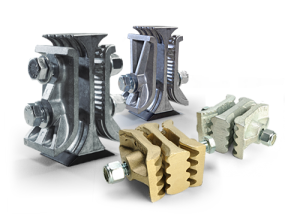
Deciding which conveyor belt fasteners to use can be confusing, but an essential step in splicing a belt. They join the ends of conveyor belts together, thus creating a continuous loop that would allow the belt to move smoothly along the conveyor structure. Choosing the wrong one can lead to premature wear and cause a malfunction in the belt splice.

Here are the factors to be considered when selecting the appropriate conveyor fastener.

Fastener Type

There are different belt fastener types available in the market, such as mechanical fasteners, plate fasteners, hinged fasteners, and others. Each type has its advantages and is suitable for specific belt materials and applications. For instance, mechanical fasteners are versatile and offer a strong grip, while hinged fasteners allow for easy installation and maintenance. Another deciding factor on which belt fasteners to use would be tied to the pulley diameter. Hinged fasteners are commonly used for smaller pulley diameters as they can bend around a tighter turn in the system. On the other hand, solid plate styles are used for their longer life and to prevent sifting, provided that either style is appropriate for your belt and pulleys.

Strength and Load Capacity

Determine the conveyor system’s load capacity and tension requirements. The fasteners that should be used would be able to withstand the application’s tension and stress without compromising the belt’s integrity. The materials these fasteners would be made out of depend greatly on whether it is used for light or heavy duty. Some examples of light-duty belt fasteners would be common bar lacing, stapled plate fasteners, and plastic hinged plate fasteners, while bolted and riveted plate fasteners and stapled, riveted and bolted hinged fasteners are used for heavy duty.

Before finalizing your decision, it’s a good idea to consult with conveyor system experts or suppliers who can help you assess your specific needs and recommend the most suitable fastener options. Visit us today at KC Supply Co. for any further questions.


Read More

Employee protection: How to protect employees from heat-related illnesses

The summer heat comes with an extra need for employee protection as you face the additional challenge of protecting your employees from the elements’ harmful effects, especially in work environments where high temperatures or excessive heat exposure is expected. 

Heat exhaustion and heatstroke can have severe consequences that could lead to organ damage and even death. This is why correctly understanding heat-related illnesses and implementing effective preventive measures is crucial in ensuring your employees are safe and healthy during the summer. 

There are a lot of strategies that can be implemented specifically for the summer months that can decrease the risk of heat-related illnesses. Here are some of them:

  • Education is key — One of the best ways of keeping your employees healthy during summer is by educating them on the harmful effects of prolonged exposure to heat. Employee protection begins with teaching them how to identify signs of heat exhaustion and heat stroke, such as headache, dizziness, and confusion. Implementing a buddy system would be helpful in quickly identifying signs of heat illness, and proper management may be done promptly.
  • Splurge on the cool stuff — A great way to protect your employees from the heat is to provide a lot of cold water close to the work area. OSHA suggests that employees must drink at least a pint of water every hour and that a shaded or air-conditioned designated rest area must be accessible to employees at all times. 
  • Focus on the essentials — Employee protection could be observed even when PPEs are required in the workplace. Consider alternatives that can provide protection without excessive heat retention, such as lightweight and breathable fabrics. Alternatively, a modified shifting schedule can be implemented to decrease the exposure to heat and give ample time for breaks.

Protecting employees is a crucial part of the duties of an employer. It could be challenging during summer, but with the correct information and mindset, it could be as easy as A-B-C. If you have more questions about preventing heat-related illnesses in the workplace, visit us at KC Supply Co today.

Read More

The importance of lockout or tagout procedures

The importance of lockout or tagout procedures

Anyone who works with heavy machinery would agree that lockout/tagout (LOTO) procedures are essential in keeping the workplace safe and accident-free. It is a crucial step when doing maintenance repairs on machinery or equipment to ensure the safety of your workers. LOTO procedures prevent the equipment’s accidental operation by isolating energy sources in the machine.

Keeping hazardous energy in check

Hazardous energies can come from a variety of sources in the workplace. While some energy sources are easily identifiable — such as electricity or kinetic energy from a falling object — energy can also be stored in a spring wound too tightly or air pressure in a pneumatic system. Identifying the sources of energy is only part of the solution, as it is also important to isolate or lock out any stored energy that these machines may have, such as in capacitors for electrical equipment or the built-up pressure in hydraulic devices. Proper isolation of energy sources and discharge of stored energy is crucial before doing any maintenance or repair in these machines. If left improperly isolated, these energy sources can potentially cause severe injury or death to workers.

Lockout or tagout

Lockout or tagout procedures are implemented to prevent any unauthorized or accidental use of machinery while some maintenance or repair is done. This would entail having an authorized group of people who would identify all energy sources and know how to keep them under control. These individuals would lock out the equipment and apply their tags to quickly see if people are still working on the machine and for identification purposes. Once all maintenance or repairs have been done, the locks and tags will be removed, and the authorized personnel can re-energize the machine.

If you still have questions about the importance of lockout or tagout procedures, visit us today at KC Supply Co.


Read More

What you need to know about sizing a screw conveyor

Screw conveyors are a widely used asset in various industries to move bulk materials vertically, horizontally, or at an inclined angle. At times, sizing them can be a daunting task as it involves a lot of factors that need to be considered for the conveyor to handle the material reliably.

When given the task of sizing a screw conveyor, here are some of the factors that must be considered:

Material Properties

Knowing the material to be conveyed is crucial, as this would dictate the screw diameter, pitch, and speed selection. The design of the conveyor is also affected by factors such as bulk density, particle size, moisture content, and flowability.

Capacity Requirements

Capacity is usually expressed in cubic feet per hour (ft³/h) or cubic meters per hour (m³/h). Determining the required capacity is essential in choosing the correct screw conveyor diameter to be used and depends on the product’s weight and the desired production rate.

Screw Diameter and Pitch

Determining the screw diameter depends on many factors, such as the rate of conveyed material, trough fill level, the density of the material, and the speed of the screw. The screw diameter determines the conveying capacity and is typically selected based on standardized sizes. Common diameters range from 6 to 24 inches (15 cm to 61 cm). The pitch refers to the distance between successive flights on the screw. It affects the volume of material moved per revolution.

Power Requirements

Calculating the power needed to drive the conveyor involves considering the material’s characteristics, conveyor length, incline angle, and other factors. The power requirements determine the selection of an appropriate motor and drive system.

These are just some factors you must consider when sizing a screw conveyor. For more information on how to properly size a screw conveyor, visit us here today at KC Supply Co.

Read More

KC Supply Co on how to choose the right bin level indicator

Bin level indicators, also known as level sensors or indicators, are used in many industries. They are used to monitor and measure the material level inside a bin, tank, or any storage vessel. They play a crucial role in agriculture, manufacturing, and logistics, which require accurate monitoring of material levels for efficient operation and inventory management.

By providing real-time information about the material level inside a container, level sensors help operators and managers keep track of inventory levels. This prevents overfilling, underfilling, or material shortages and optimizes storage capacity. Accurate and timely data is available at your fingertips, giving you the opportunity for better decision-making, improved safety, and increased productivity.

There are various types of bin level indicators, each suited for different applications and materials. Some of the common types include:

  • Point level indicators: These indicators determine whether the material level has reached a specific point, such as a high or low level. They can be as simple as mechanical switches or more advanced devices using technologies like capacitance, vibrating forks, or optical sensors.
  • Continuous level indicators: Unlike point level indicators, continuous level indicators continuously measure the material level. They can be used to measure liquids, powders, and bulk solids. Examples of technologies used for continuous level measurement include ultrasonic, radar, laser, and guided wave radar.
  • Weight and pressure sensors: These indicators rely on load cells or pressure sensors to measure the weight or pressure exerted by the material in the bin. By monitoring changes in weight or pressure, these sensors can determine the material level in the container.

Bin level indicators can be connected to control systems, data loggers, or other monitoring devices, allowing for remote monitoring and integration with overall process automation. This enables operators to receive alerts, generate reports, and make informed decisions based on real-time data.

Visit us today if you need help identifying which bin level indicator is right for you.

Read More

KC Supply Co explains how to make your ladder cages OSHA-compliant

Ladders are standard tools used in various industries for accessing heights and performing tasks at heights. Not all companies use ladder cages, which can pose significant safety risks if not properly managed. 

Understanding OSHA standards

The Occupational Safety and Health Administration (OSHA) has established guidelines for ladder use to ensure the safety of workers and compliance with regulations. Here’s what you need to know, with links to the corresponding guideline:

  • According to OSHA Standard # 1910.28(b)(9)(i)(A), every existing fixed ladder installed before November 19, 2018, must have a cage, ladder safety system, personal fall arrest system, or well. 
  • OSHA Standard # 1910.28(b)(9)(i)(B) says that every fixed ladder that is installed on and after November 19, 2018, should have a ladder safety system or a personal fall arrest system.
  • Meanwhile, OSHA Standard # 1910.28(b)(9)(i)(C) expounds that when a ladder cage, fixed ladder, or well is replaced, a ladder safety system or a personal fall arrest system must be installed in the repaired section or where the replacement has been placed. 
  • Finally, OSHA Standard # 1910.28(b)(9)(i)(D) says that on and after November 18, 2036, a ladder safety system or a personal fall arrest system must be equipped on all fixed ladders. 

Defining terms 

Ladder cages are enclosures installed around fixed ladders to prevent workers from falling off, providing fall protection and a safe climbing environment. Unfortunately, this setup limits its protection to those falling backward and offers no protection to those falling downward.

Meanwhile, ladder safety systems are designed to reduce, if not eradicate, the chances of an employee falling from a ladder. They are made of a personnel carrier, a safety sleeve, a lanyard, connectors, and a body harness. Any existing fixed ladder incorporating this system — even if it already has a ladder cage — will be considered OSHA-compliant. 

Do you still have more questions? Visit us at KC Supply Co. for any further clarifications that you may have about the compliance of your ladder cages and fixed ladder setup today.


Read More

KC Supply Co on Working in Wet Conditions

Keeping a company running in tip-top shape is hard enough, but add in challenging weather and wet conditions, then what you have is a potential recipe for disaster. Taking the proper steps is essential to ensuring your workplace is hazard-free and your personnel safe.

We recommend some steps to help keep your company safe in wet conditions.

Have the proper gear.

Provide sufficient rain gear for your employees during the rainy season to ensure a streamlined workflow, free from any accidents caused by inclement weather. Good rain gear includes both pants and a coat made from ventilated materials to be worn comfortably for prolonged periods. In the colder months, it is better to use ones made from wool or synthetic material that can still provide warmth in wet conditions.

Use the appropriate equipment.

Avoid using tools not rated for outdoor use when it is raining. Ensure that all of the tools that would be used have textured or non-slip grips to prevent accidents. Providing work boots with deep threads is also helpful to prevent slipping in the work area. It is also important to use anti-fog spray or wipes on glasses or safety goggles to ensure adequate vision. Providing a high visibility vest to ensure that you are easily identifiable, especially when working in areas with high vehicle traffic or when working around heavy machinery.

Keep it simple.

Double-check your workspace layout and note areas that are most likely to have water pooling on them during wet conditions. Examples could be areas near doorways, entrances, or delivery bays. Ensure that these areas are always dried or have hazard signs nearby. This would keep your employees safe and save the company money from any potential lawsuits.

With proper precautions in place, you can keep your employees safe during wet conditions. For more information on safety equipment and other safety tips, visit our website today.


Read More