


Grain bins are a critical part of agricultural operations, but they also present serious safety risks. Among the most dangerous hazards is Grain Bin Entrapment, which can quickly turn into a life-threatening situation. Understanding the causes, prevention strategies, and proper rescue procedures is essential for anyone working in or around grain storage.
At KC Supply Co., we believe awareness and preparation are the keys to protecting your team and preventing tragic accidents.
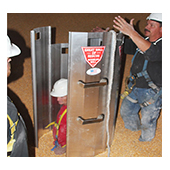
Understanding Grain Bin Entrapment and Engulfment
Grain behaves much like a fluid when it is flowing. This means a person standing on or inside grain can be pulled under rapidly, especially during unloading. Grain bin entrapment occurs when a person becomes stuck in grain and cannot free themselves. Engulfment is more severe, where the individual becomes partially or completely buried.
In many cases, Grain Bin Entrapment can happen in seconds, leaving very little time to react without proper safety measures in place.
Common Causes of Grain Bin Entrapment
Understanding the most common causes helps reduce risk and improve safety practices.
Flowing Grain
The leading cause of entrapment is entering a bin while grain is actively being unloaded. As grain flows toward the outlet, it creates a funnel that pulls material—and anything on top of it—downward.
Grain Bridging
When grain spoils or becomes moist, it can form a hard crust on the surface. Workers may step onto what appears to be solid grain, only for it to collapse beneath them, leading to entrapment.
Grain Avalanches
Grain that sticks to bin walls can suddenly break loose. When this happens, it can bury a worker standing below in seconds.
Working Alone
Many incidents occur when workers enter bins without supervision. Without someone outside monitoring the situation, response time is delayed, increasing the risk of fatal outcomes.
Prevention Strategies That Save Lives
Grain bin accidents are highly preventable when proper safety protocols are followed.
Never Enter a Bin During Operation
The most important rule is simple: never enter a grain bin when grain is being loaded or unloaded. Always shut down and lock out all equipment before entry.
Use Lockout/Tagout Procedures
Ensure all grain-moving equipment is disconnected and cannot be accidentally turned on during maintenance or entry.
Wear Proper Safety Equipment
Workers should use a full-body harness with a lifeline secured outside the bin. This provides a critical layer of protection in case of an emergency.
Have a Trained Observer Present
Never enter a bin alone. A second person should remain outside, maintaining communication and ready to respond immediately if needed.
Maintain Grain Quality
Proper aeration and moisture control help prevent grain from spoiling, reducing the risk of bridging and avalanches.
Safe Rescue Practices
Rescuing someone from grain is extremely dangerous and should only be done using proper procedures and equipment. Attempting a rescue without preparation can result in additional victims.
Key rescue steps include:
- Call Emergency Services Immediately
Time is critical in any grain entrapment situation. - Shut Down All Equipment
Ensure all grain movement has stopped before attempting any rescue. - Do Not Pull the Victim Out Forcefully
Grain creates immense pressure around the body. Pulling can cause serious injury or worsen the situation. - Use a Grain Rescue Tube
Rescue tubes isolate the victim and allow grain to be removed safely from around them. - Remove Grain Gradually
Grain should be removed slowly, often using vacuums or small tools, to reduce pressure safely.
Having proper rescue equipment on-site and training employees on its use can make a critical difference in an emergency.
Final Thoughts
Grain Bin Entrapment remains one of the most serious hazards in agriculture, but it is also one of the most preventable. By understanding the causes, following strict safety procedures, and preparing for emergencies, operations can protect their workers and avoid devastating incidents.
At KC Supply Co., we are committed to supporting safe grain handling practices with the right equipment, training resources, and expertise. Safety starts with awareness—and the right steps taken before entering the bin.